Is Butterfly Valley Worth Visiting Outside The Moth Season?
Butterfly Valley in Rhodes stays open from April to early November, but the Jersey tiger moths are only listed from May to September. Here is what a visit outside the moth season is actually like.
The valley's operator, DERMAE, opens the site on 12 April and closes it from 1 November until the following tourist season. The moths themselves, the Jersey tiger (Panaxia quadripunctaria), are listed by the same operator as present from May to September. That mismatch is the whole question in one line: the gate is open for weeks when the insects that give the valley its name are not there.
Yes, with the right expectations. The valley is open from 12 April to 1 November, but the moths are listed as present only from May to September, so an April or October visit is a woodland walk without a moth guarantee. If you come for the shaded trail, the river and Kalopetra monastery, the adult ticket of EUR 3 to 6, by season, is fair value. If the moths are the entire point, wait for summer.
This is one of the most common planning mistakes on Rhodes. Travellers see the name Butterfly Valley, assume the insects are a permanent feature, and turn up in the last week of October expecting a cloud of red and yellow wings. The valley does nothing to hide the truth; its own species page is clear that the moths rest on trunks, leaves and rocks by the water between May and September, and outside those months they are simply not part of the scene.
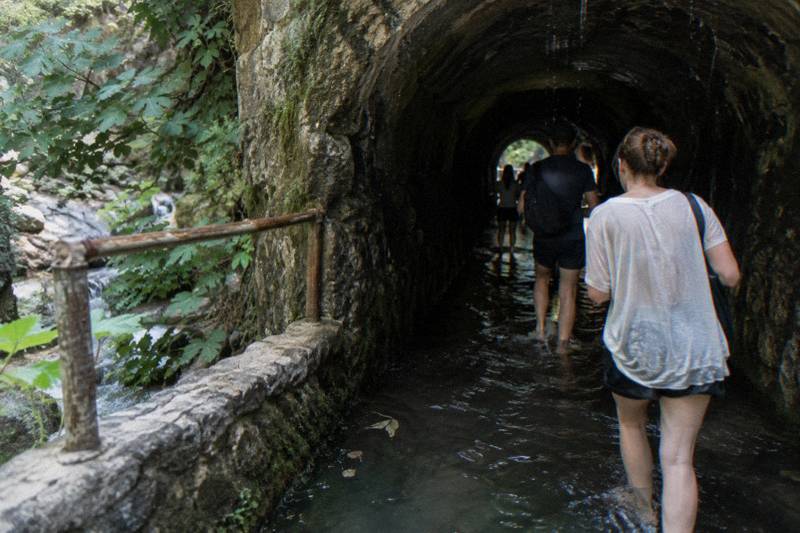
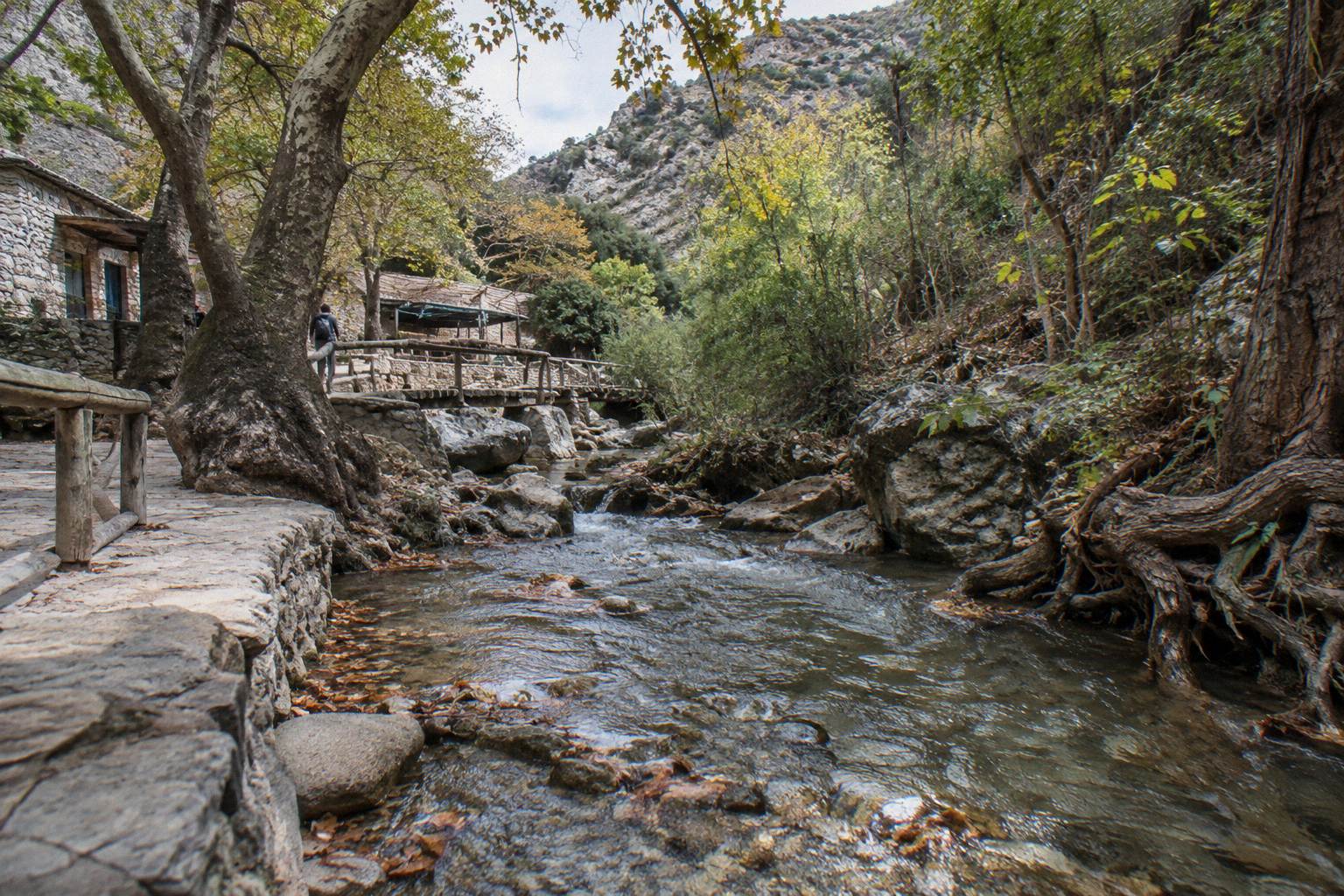
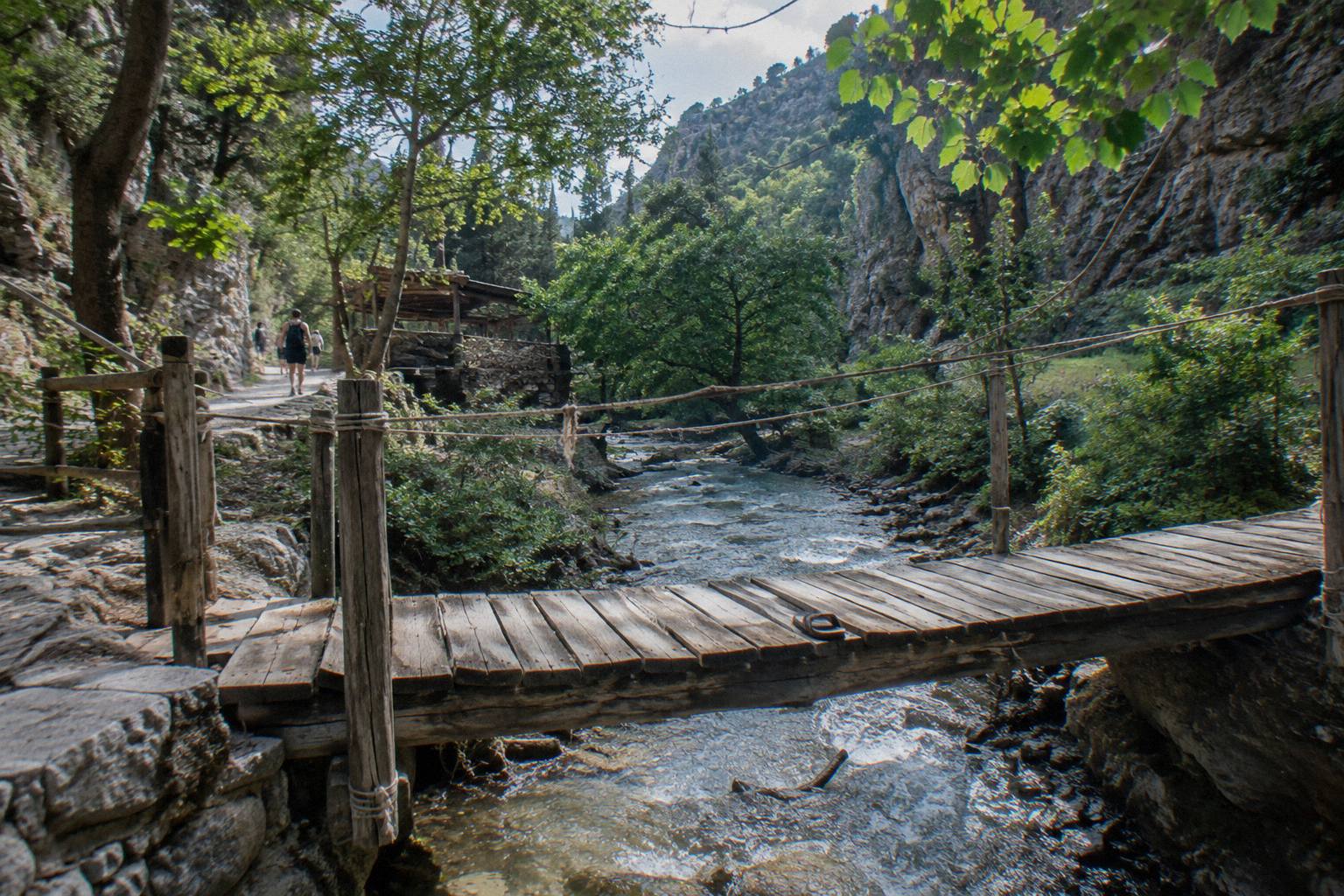
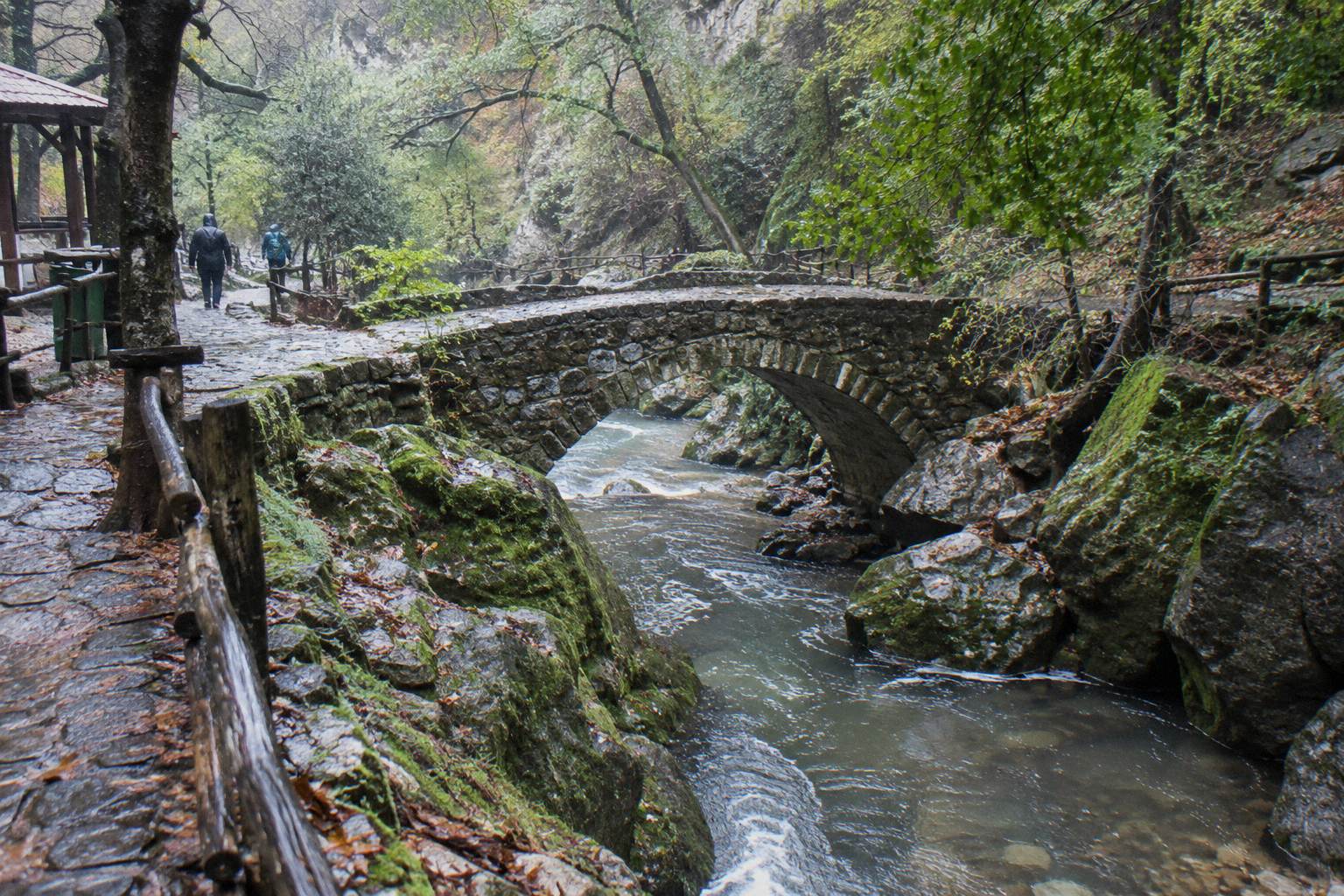
What you get instead is a genuine piece of Greek countryside. The Pelekanos river runs through a gorge of Oriental Sweetgum trees, one of the only biotopes in Europe where they grow, with wooden bridges, small waterfalls and cobblestone paths under near-total shade. In April the water is at its fullest after the winter rains. In October the crowds that pack the wooden bridges in August have largely gone.
The site sits at Ano Kalamonas in the north of the island, about 26 km from Rhodes Town and 10 km from the airport, so it is an easy half-day from the northern resorts either way. Nothing about the location, the trail or the monastery changes with the season. Only the insects do.
If a guided day still appeals for the structure and transport, these are the valley trips most shoulder-season readers end up comparing:
When Exactly Is The Moth Season At Butterfly Valley?
The official moth range is May to September. The valley itself is open longer, from 12 April until 1 November, daily from 08:00 to 18:00. That means the last three weeks of April and the whole of October fall inside the opening season but outside the moth season, a window of roughly five weeks with the gate open and no moths expected.
The dates come straight from the operator. The home page of the valley's own information page gives the opening hours and the season, while the species page gives the May to September presence. Neither is a marketing line; both are plainly stated on a site that has no reason to discourage October visitors and does so anyway by publishing the range.
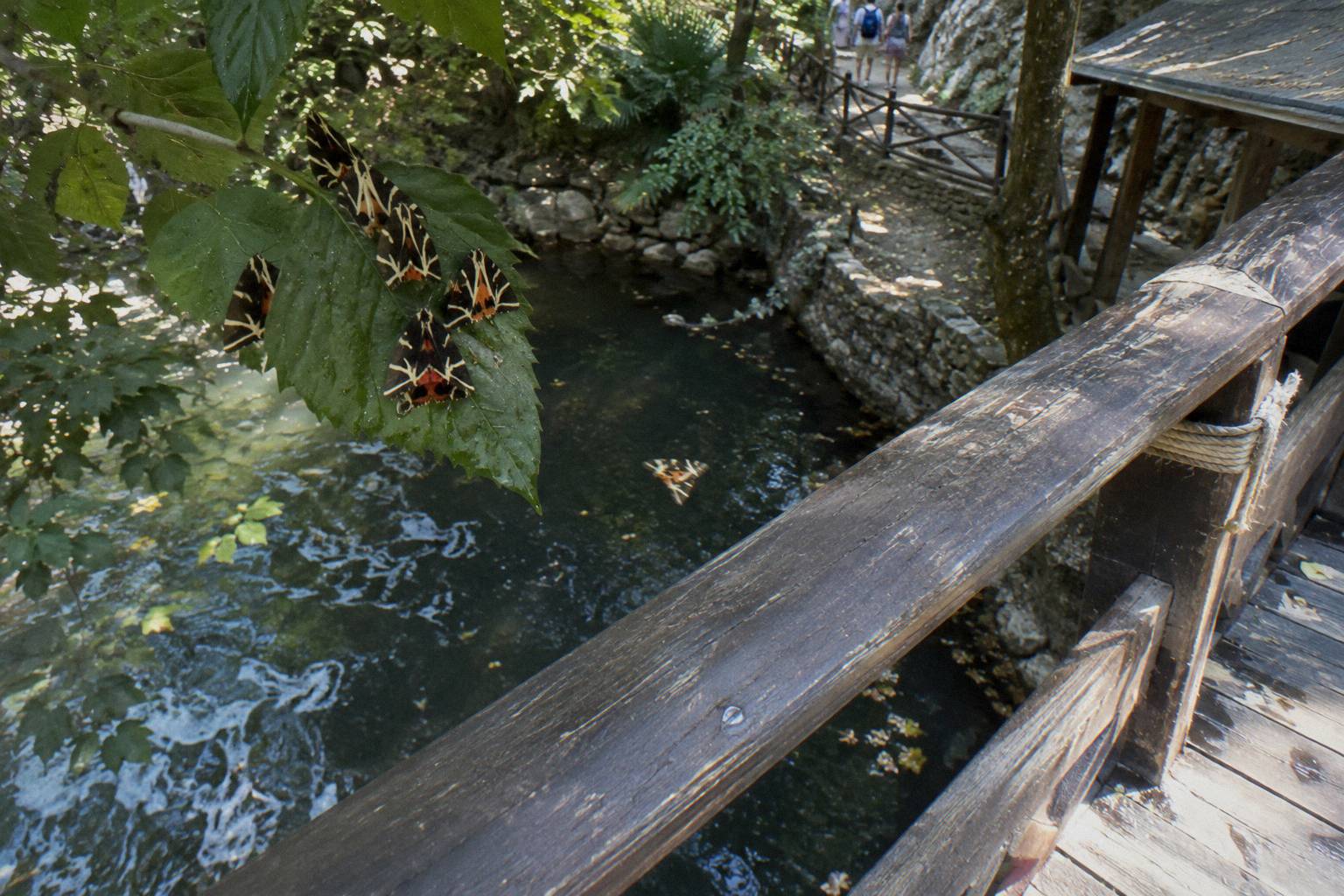
It is worth being precise about what the insects are. They are not butterflies at all but Jersey tiger moths, a nocturnal species in the Arctiidae family, which is why they spend the day resting motionless on the shady side of trunks and rocks near the water. Visitors who clap or shout to "wake" them are asked not to; the valley's own rule is silence, because a disturbed moth burns energy it needs to survive its summer stay.
The boundary dates are also softer than a calendar suggests. Early May can be thin, late September can be quiet, and the peak density sits somewhere in the middle of summer, when the heat drives the moths down to the humid corridor along the river. May and September edge visits are a gamble on moths. April and October visits are a certainty of not seeing them.
For anyone booking a seat on a coach before the season or after it, the live listings carry the answer, and it is a plain one.
Is Butterfly Valley Worth It In April, Before The Moths Arrive?
April is the greenest month in the valley, with the river and small waterfalls running at full strength after winter rain, and the trail to Kalopetra monastery at its most atmospheric. You will not see moths before May. The trade is a quiet, wet, vividly green gorge against the red-and-yellow spectacle of summer, and for walkers that trade is often a good one.
The valley reopens on 12 April, which in practice means the first weeks of the season belong to visitors who came for the landscape. The Sweetgum trees are in fresh leaf, the stone paths are damp, and the pools along the Pelekanos are full. Visitor numbers are low because the island's main season has not started, so the wooden bridges that develop queues in August are free.
The adult ticket sits at the bottom of its range at this time of year, though the operator's own pages disagree slightly on the boundary dates between price periods, so it is safest to budget the full "EUR 3 to 6, by season" rather than a single figure. Children under 12 enter free. Hours are 08:00 to 18:00 daily once the season starts.
The honest downside: if you have told children they will see clouds of butterflies, April will disappoint them. The valley remains a genuinely good family walk, steep in places and shaded throughout, but the moths are the memory most visitors take home and they are absent. A shoulder-season family should frame the trip as a river-and-monastery walk and let any moth be a bonus.
For the timing question in its broader form, "Is Butterfly Valley worth it in May, April or October?", the short version is that May and October are transitional and April is firmly pre-season for the insects. The month-by-month picture is worth setting out side by side.
| Month | Valley open | Moths expected | What the visit delivers |
|---|---|---|---|
| April (from the 12th) | Yes | No | Full river, fresh green shade, quiet paths |
| May | Yes | Yes, thin early on | Greenery plus the first moths, moderate crowds |
| June to August | Yes | Yes, peak density | The full spectacle, with the biggest crowds |
| September | Yes | Yes, thinning late | Good moth odds, cooling weather |
| October | Yes | No | Quiet gorge, autumn light, monastery walk |
| November to early April | Closed (from 1 November) | No | Not visitable; the operator shuts the site |
Is Butterfly Valley Worth It In October, After The Moths Leave?
October offers the valley at its quietest while still open: the trail, the bridges and the monastery are all yours, the heat has eased, and the light through the Sweetgums turns autumnal. You should not expect moths. For photographers, walkers and anyone avoiding August crowds, October is arguably the most pleasant month of the whole open season.
By October the moths have completed their cycle and gone, but the valley's season runs through 31 October before the closure on 1 November. Daytime temperatures on Rhodes in October are comfortable for the climb to Kalopetra, which sits at about 370 m on a slope of Mount Lefkopoda, a 1.3 km trail from the valley floor. Doing that walk in August heat is a chore; in October it is a pleasure.
The trade is the same as in April, in mirror image. The river can be lower after the dry summer, so some of the small waterfalls along the Pelekanos may be reduced to a trickle. The gorge stays shaded and green because the Sweetgums are evergreen in effect through the season, but the water music that defines the valley in spring is softer in autumn.
October is also the month of the year when Rhodes is dealing with the tail of the wildfire seasons that have affected the island in recent summers, and visitors reasonably ask about access. The valley is in the north of the island, well away from the areas that burned worst, and the operator's published season makes no change to its October opening, but anyone travelling in the immediate aftermath of a fire summer should check the operator's site before setting out.
A cheap half-day seat is the natural format here: if the moths are not the draw, there is little reason to pay for a long structured day. The Budget Bus, Half Day from SEBECO LINES runs a half day from €15 per person with pickup listed from Rhodes hotels, the lowest per-person price on this site's roster. It has no rating read and the valley entrance is an extra, but as bare transport it fits the October mindset.
What You Still Get In The Valley When There Are No Moths?
Everything except the insects. The Pelekanos river with its springs, ponds and small waterfalls, the wooden bridges and cobblestone paths under Sweetgum shade, the 1.3 km trail to Kalopetra monastery, and the Museum of Natural History named on the operator's site are all season-independent. The landscape is the reason the moths chose the gorge in the first place.
Start with the trees. The Oriental Sweetgum, known locally as Zitia, grows here in one of its only European biotopes, and the moths are thought to be drawn by its resin and the humidity the trees hold. In other words, the moth spectacle is a by-product of the habitat. Remove the moths and the habitat, a cool green gorge with running water on a dry Aegean island, remains a rare thing in itself.
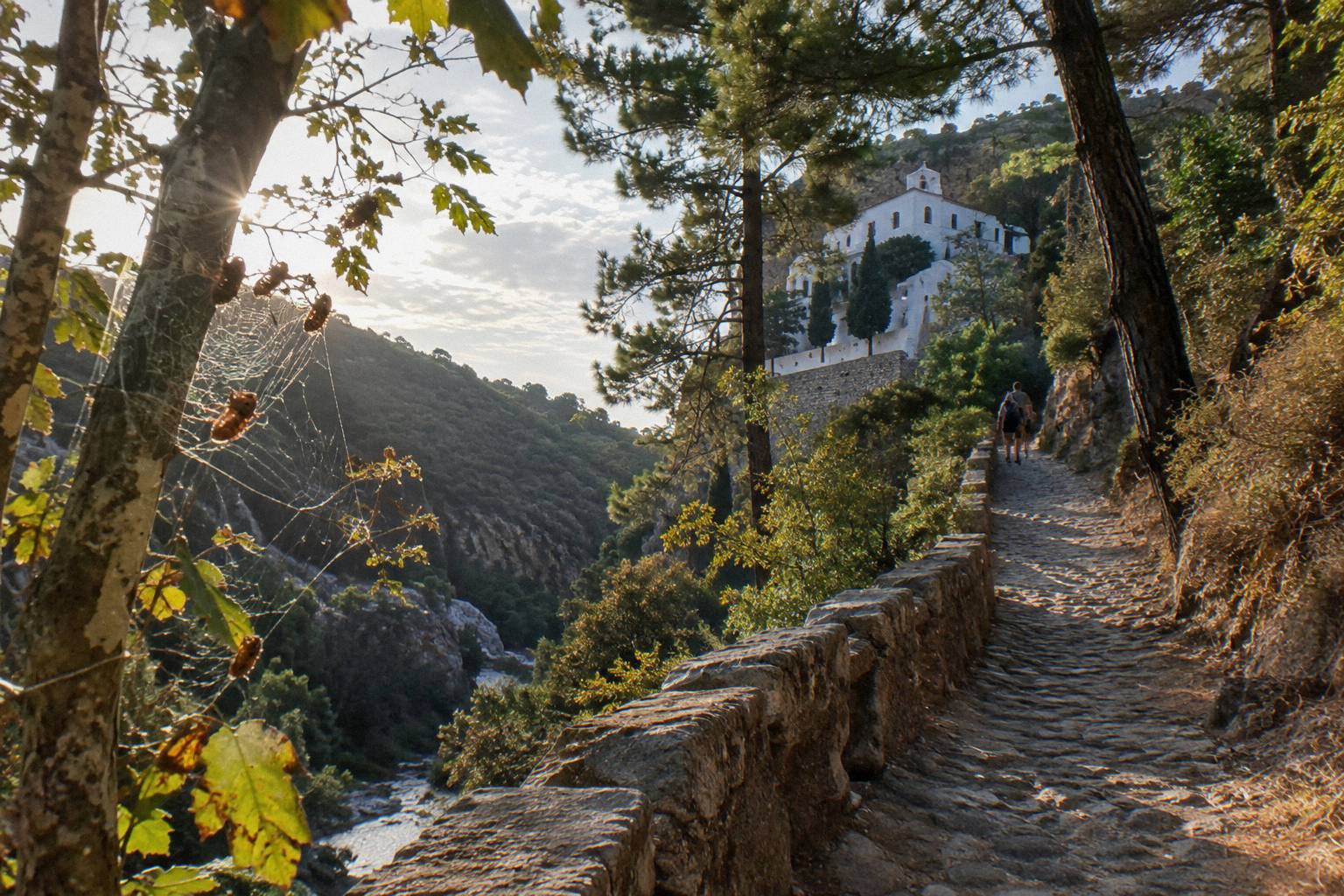
The monastery is the other constant. Kalopetra, dedicated to the Assumption of the Virgin Mary, was founded in 1782 by Alexandros Ypsilantis, according to the valley's own monastery page, after a vow made in a storm at sea; the name means "good stone". The climb to it is the valley's physical challenge, and it explains the operator's warning that the steep natural paths are not accessible for people with disabilities.
What the shoulder-season visitor loses, concretely, is the single moment the valley is famous for: disturbing nothing, but catching the sight of dozens of red and yellow wings lifting from a trunk. No tour operator can promise that in April or October, and none should. A visitor who accepts that walks away with a very good two hours. A visitor who does not will feel the ticket was mis-sold, even though the operator publishes the dates plainly.
The quiet rule deserves a mention here because it applies year round. The valley's administration page asks visitors to keep silence, framed as "the only rule is silence", because noise stresses the moths even when they are few. In the shoulder season, with the gorge nearly empty, keeping that rule is easy and it is part of why October and April visits feel so restorative.
Do Tours To Butterfly Valley Run Outside The Moth Season?
The tours on this site's roster do not publish operating months in their listings, so no tour here can be claimed to run in April or October specifically. What can be said is that the valley itself is shut from 1 November, so no valley tour can operate in winter. Book any shoulder-season seat close to your date and treat the live listing's calendar as the only answer.
This is where honest research has to overrule the natural instinct of a travel article. It would be easy to write that "most valley tours run from April to October". The listings do not say that, and a claim like that would be invented. What the listings do state is duration, price, pickup areas and inclusions, and those facts hold regardless of when the tour departs.
What a shoulder-season booker can rely on is the structure of the product. The Coach Trip, Seven Springs Included from Manos Going, the most reviewed tour on this roster at 4.6 across 214 reviews, is a 7-hour day from €29 per person with pickup listed from Faliraki, Rhodes City, Ixia and Ialysos, free cancellation up to 24 hours ahead. Seven Springs, its other stop, is a landscape attraction with no seasonal insect dependency at all, which makes it a sensible pairing when the moths are absent. You can check that trip on its operator's live listing and see the calendar for your dates; the deeper comparison lives in our guide to how the valley tours from Rhodes compare.
The same logic applies to every other row. Free cancellation windows of 24 hours, where a row lists them, are valuable in the shoulder season because weather and wildfire news can shift plans quickly. And the valley entrance is listed as an extra paid on the day on most tours, so budget the EUR 3 to 6 ticket on top of any from-price; it is never rolled into the figure a listing shows.
One format worth a second look in the quiet months is the Filerimos pairing, since Filerimos Hill's ruined monastery and pine walk has the same year-round character as the valley itself. The Filerimos Hill Coach Trip, 5 Hours from Kariba Travel runs 5 hours from €21 per person, rated 4.1 across 41 reviews, with hotel pickup listed and free cancellation up to 24 hours ahead; the valley entrance is an extra.
Which Tour Format Makes Sense When The Moths Are Not The Point?
Short, cheap and landscape-focused beats long and structured. A half-day bus seat from €15 to €25 covers transport to a walk you will do at your own pace, while the longer days earn their price mainly through extra stops like Seven Springs or Filerimos, not through time among the moths. Save the full-island and wine-tasting days for when those extras are what you actually want.
The reasoning is simple. The moths are the valley's live entertainment; without them, the visit is a self-guided walk of an hour or two plus, optionally, the monastery climb. A guide adds context about the species and the habitat, which some visitors value highly, but the core experience is the path and the water, and no one needs a guide to find a river.
That points toward the budget end of the roster. The table below sets the short valley-focused formats against the longer days, using only the figures each listing states. Per-group and per-vehicle private rows are left out because their price bases are not comparable with per-person seats.
| Tour (operator) | Length | From | Rating read | Valley entrance | Extra stop that carries the day |
|---|---|---|---|---|---|
| Budget Bus, Half Day (SEBECO LINES) | Half day | €15 per person | No rating read | Extra, paid at the valley | None listed |
| Small-Group Seven Springs Trip (Rhodes-Tours) | 4 h 30 min | €25 per person | No rating read | Not stated in the row | Seven Springs |
| Half-Day Bus, Filerimos Stop (Kariba Travel) | Half day | €25 per person | No rating read | Extra, paid at the valley | Filerimos Hill |
| Coach Trip, Seven Springs Included (Manos Going) | 7 hours | €29 per person | 4.6 from 214 reviews | Extra, paid at the valley | Seven Springs |
| West Coast Villages Day Trip (TUI HELLAS) | 8 hours | €60 per person | 4 reviews, too few for a star claim | Extra, paid at the valley | Ancient Kamiros, Embonas, Siana |
| Tickets Included, Three Stops (Roads of Rhodes) | 4.5 h | €120 per person | No rating read | Included | Filerimos Hill, Seven Springs |
One row rewards attention. The Tickets Included, Three Stops trip from Roads of Rhodes is the only coach-format listing on the roster that states the valley entrance is included, at from €120 per person for a 4.5-hour day. Against a €15 bus seat plus a ticket of EUR 3 to 6, that premium buys convenience and two extra stops, not access; whether it is worth roughly four times the budget fare is a personal call.
The private side of the roster works the same way. The Private Nature Loop, Per Vehicle from Rhodes Greece Tours runs 5 hours from €347 per vehicle with Filerimos and Seven Springs stops, and the Private West Side Tour, Group Rate from G.E.S. Travel Agency runs 5 hours from €400 per group with the entrance stated as included. Both make most sense for families or groups splitting a vehicle price, in any month.
How Should You Plan A Shoulder-Season Visit?
Arrive early, budget EUR 3 to 6 for the ticket with children under 12 free, and treat the trip as a walk rather than a spectacle. Hours are 08:00 to 18:00 daily in season, and the valley closes from 1 November, so late-October travellers have a hard deadline. Wear grippy shoes for the cobblestones and keep the silence rule, which is the site's only stated rule.
Timing matters more than usual in the shoulder season. An 08:00 or 09:00 start in April or October gives you the gorge almost alone, soft light through the trees, and the full morning for the monastery climb before any day-trip coaches land. By contrast, midday in August is a queue on the first bridge. If the moths are absent anyway, the empty-valley hour is the whole reward, so take it.
Logistics are straightforward because of where the site sits: Ano Kalamonas, about 26 km from Rhodes Town and 10 km from the airport, with the Kalopetra page placing it 8 km south of Theologos. Public bus details are not published by the operator, so do not rely on a printed line number; the practical options in the shoulder season are a rental car, a taxi, or one of the bus seats above. Our guide on getting to Butterfly Valley from Rhodes Town walks through each option.
For families weighing the visit, the honest picture is mixed: children under 12 enter free, which softens the cost, but the paths are steep natural ones and the operator states plainly that the site is not accessible for people with disabilities. Pushchairs are a poor fit on the cobbles and steps; the question of whether Butterfly Valley suits kids and pushchairs deserves its own read before you commit.
And if, after all this, the moths remain the reason you are travelling, the answer is to move the trip, not the expectation. Butterfly Valley Rhodes exists to help with exactly that decision, and the months of June to September, when the valley's own species page says the Jersey tiger is present, are when the spectacle you have seen in photographs actually happens.
If you are still weighing a seat for a spring or autumn date, these three cover the sensible range: the most reviewed full day, a short guided hike, and a west-coast villages loop.
Common Questions About Butterfly Valley Outside The Moth Season
Is Butterfly Valley Worth Visiting Outside The Moth Season?
Yes, if you come for the shaded gorge, the river trail and the Kalopetra monastery rather than the insects. The valley is open from 12 April to 1 November, but the moths are only listed from May to September, so April and October visits deliver landscape without a moth guarantee.
Is Butterfly Valley Worth It In May, April Or October?
May and October are transitional: May can catch the first moths, October almost never does. April is firmly before the moth arrival but offers the greenest, wettest version of the gorge. All three months are worth it for walkers; none is worth it if moths are the sole reason for the trip.
Is Butterfly Valley Open In Winter?
No. The operator closes the valley from 1 November until the next tourist season, so a winter visit is not possible. The site reopens on 12 April.
Can You See Butterflies At Butterfly Valley In October?
Not reliably. The Jersey tiger moth's presence in the valley is listed from May to September, so by October the insects have gone even though the site remains open until 31 October.
What Does The Ticket Cost Outside High Season?
The adult ticket runs EUR 3 to 6, by season, and sits at the lower end in the shoulder months. Children under 12 enter free. Most tours list the entrance as an extra paid on the day, so it is never included in a from-price unless the listing says so.
Do Tours Still Run To The Valley In April And October?
The tour listings do not publish operating months, so check the operator's live listing calendar for your dates. What is certain is that no valley tour can run from 1 November, when the site closes. Book with a free-cancellation option where the listing offers one, and confirm before travelling.